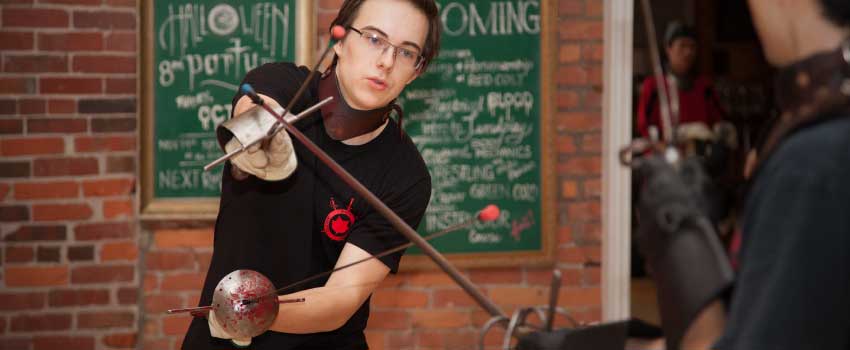
A longstanding debate within the Historical European Martial Arts community concerns whether sword parries should utilize the flat or edge of the blade. Let’s examine the evidence for edge-to-edge contact scenarios.
Can Swords Handle Edge-to-Edge Contact?
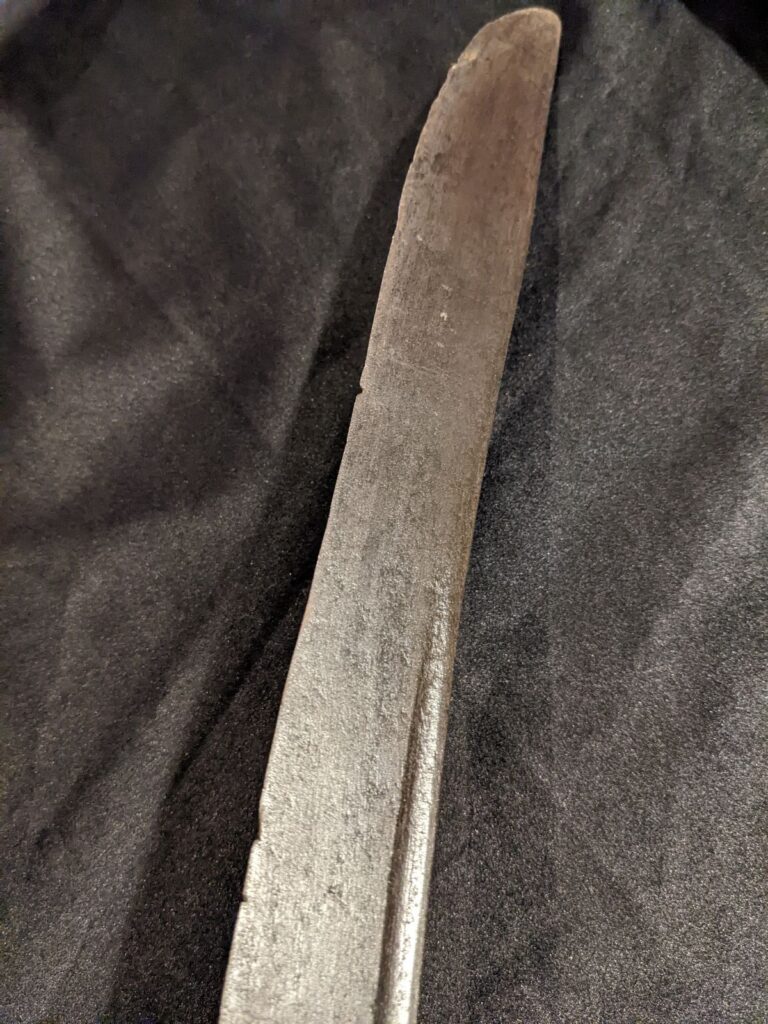
Historical evidence supports edge parrying. Museum pieces frequently show damaged or clearly repaired edges, indicating this kind of contact occurred regularly in actual use.
Historical swords were rarely sharpened uniformly. Most featured robust edge profiles, with striking areas sharper than parrying sections. European longswords and rapiers frequently had unsharpened fortes - rapiers were often finely sharpened only in their farthest extremes to aid with thrusting and cutting in the last 6-10 inches.
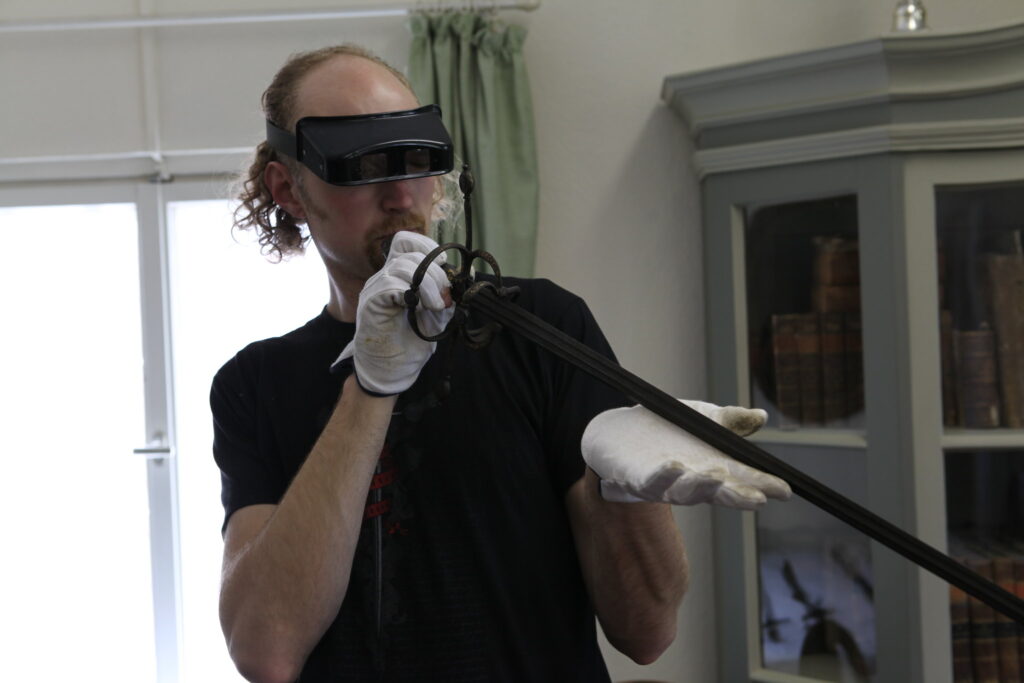
This variation in sharpness served multiple purposes: it improved durability during parries, facilitated blade-gripping techniques shown in historical manuals, and enabled swords to withstand repeated edge-to-edge contact without catastrophic damage.
When Should Edge-to-Edge Parries Occur?
There are clear advantages to edge-to-flat parries:
- Displaces the opponent’s blade to their disadvantaged side
- Avoids weapon crossbars, leaving opponent’s hands exposed for follow-up
- Prevents sharp edges from binding together
- Maintains better counter-attack opportunities
However, circumstances frequently create edge-to-edge contact naturally.
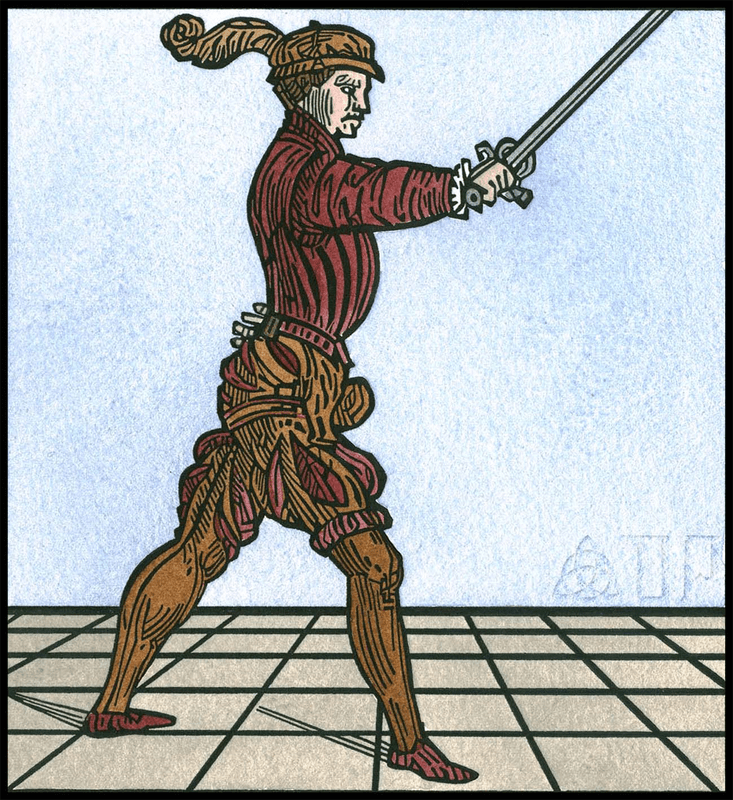
Direct blocking actions, such as Achille Marozzo’s guardia di testa, position the blade perpendicular to incoming blows specifically for maximum coverage and structural integrity. When a powerful cut is coming directly at your head, the strongest defense puts your edge into its path.
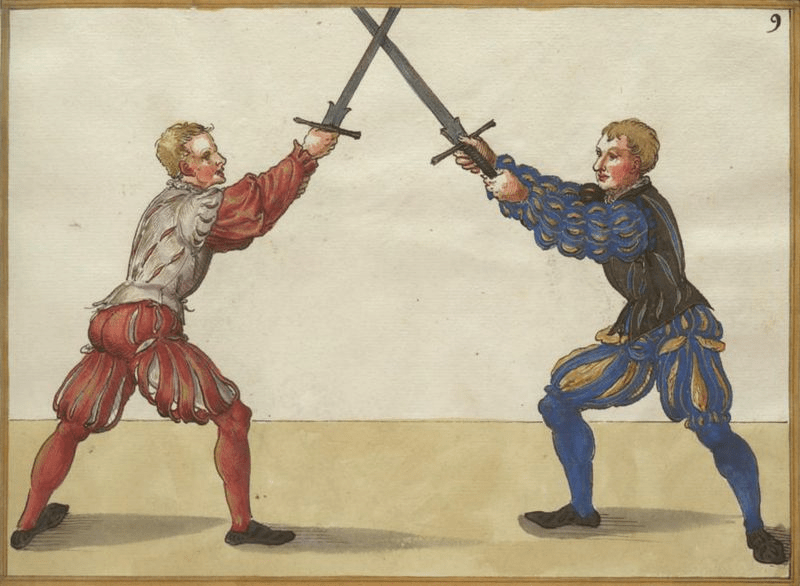
Additionally, edge-to-edge binds can deliberately arrest an opponent’s sword. When you want to stop their blade dead rather than redirect it, meeting edge to edge creates friction that holds the weapons together, allowing for grappling or secondary weapon actions.
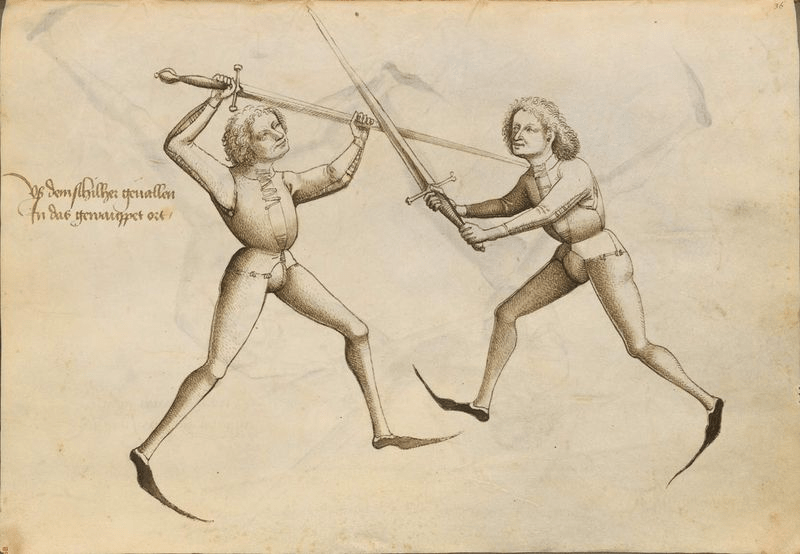
The evidence from both surviving weapons and period manuals confirms that edge-to-edge contact was both inevitable and intentional within European martial systems. While edge-to-flat parries offered certain tactical advantages, historical practitioners clearly accepted edge-to-edge contact as part of sword fighting reality.
The Practical Takeaway
Train both. Understand when each type of parry serves you best. Edge-to-flat gives you options; edge-to-edge gives you control. The historical masters knew this, and their swords were built to handle either.

About the Author
Devon Boorman
Founder & Director
Devon founded Academie Duello in 2004 and holds the rank of Maestro d'Armi. He has dedicated over two decades to researching and teaching Historical European Martial Arts.