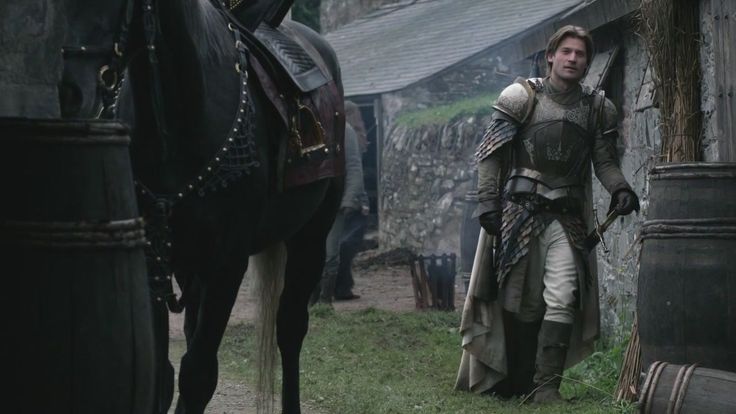
Season 2 of Vikings, loosely based on the Saga of Ragnar Lodbrok and the Volsung Saga, has garnered significant popularity despite historical scrutiny. While the show features strong casting and performances, historians have questioned various accuracies throughout the series.
Let’s separate the facts from the foibles.
The Real Ragnar Lodbrok

According to historical sources, Ragnar was reportedly a son of Swedish king Sigmund Hring and related to Danish king Gudfred. However, whether Ragnar actually existed remains debated among scholars - his sons (including Ivar the Boneless and Bjorn Ironside) were documented historical figures, but many tales attributed to Ragnar may belong to multiple individuals.
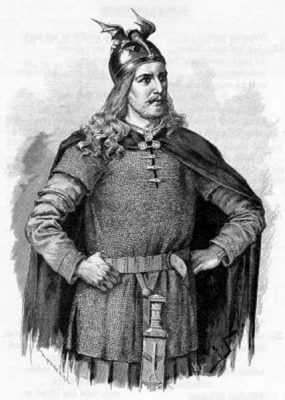
Fun fact: “Lodbrok” literally translates to “hairy trousers” or “hairy breeches.” Despite this unfitting name, Ragnar’s legendary deeds reportedly compensated for the undignified moniker.
Makeup and Eyeliner: Surprisingly Accurate

The show’s depiction of Viking eyeliner usage proves surprisingly accurate. Vikings employed kohl - dark powder composed of various materials including crushed antimony, burnt almonds, lead, oxidized copper, ochre, and ash. This served dual purposes: protecting eyes from sun damage and enhancing visual appeal.
Arab traveler Ibrahim Al-Tartushi, who visited the Viking trading hub Hedeby around 950 AD, wrote that such makeup “increases in men and women as well” and that “beauty never fades” with its application.
Combat and Fighting Styles: A Major Miss

A critical inaccuracy involves combat methodology. Most shows and movies about Vikings tend to get one very key thing wrong about Viking combat.
Shields functioned as primary weapons, with swords serving secondary roles. Expert Roland Warzecha explains: “The sword does the damage but is tactically only secondary. Viking Age sword and shield combat was based on shield binds, and blade-on-blade contacts hardly ever occurred.”
This fundamental misrepresentation appears throughout the series.
Navigating with the Sunstone
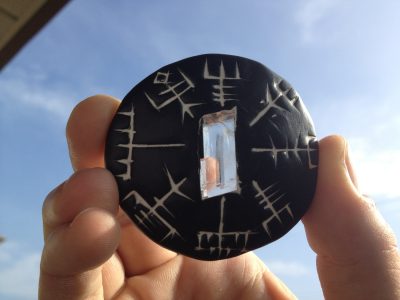
The sunstone navigation technique represents one of the show’s most debated historical elements. Historians have long questioned whether Vikings employed calcite crystals (Icelandic spar) for celestial navigation during high-latitude voyages with limited sunlight visibility.
Researcher Guy Ropars suggests Vikings could have discovered this technology simply by “choosing a transparent crystal and looking through it through a small hole in a screen.” While no sunstone has been discovered in Viking settlements, one was recovered from an Elizabethan shipwreck dated 1592, prompting renewed historical inquiry.
Costumes and Armor: Post-Apocalyptic Vikings?
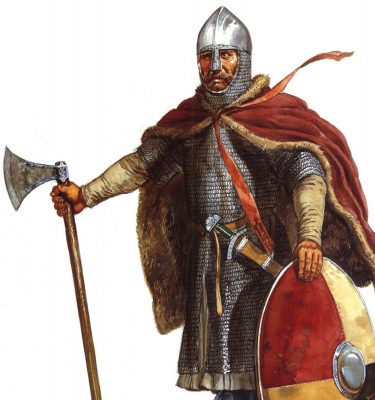
The costume design appears historically inaccurate, resembling “post-apocalyptic, Mad Max-esque” aesthetics rather than ninth-century Scandinavian clothing.
More significantly, Viking warriors lacked appropriate protective equipment in the series. Historical Vikings wore maille or leather shirts and iron helmets during combat, yet television Vikings appear considerably under-equipped compared to their English counterparts in the show.
Discovering England: A Timeline Problem

The series falsely credits Ragnar with discovering western lands like Britain. In reality, Scandinavian traders maintained centuries-long contact with Saxons and Frisians across the North Sea before the ninth century.
The timeline becomes problematic: The Lindisfarne monastery raid occurred in 793 AD, yet Ragnar allegedly died around 865 AD. If Ragnar raided Lindisfarne in his late twenties or early thirties, he would have reached approximately ninety years old by his documented death, making subsequent expeditions (including Paris’s 845 AD sacking) implausible for a single individual.
The Verdict
Despite historical inaccuracies, Vikings remains engaging entertainment suitable for amateur historians interested in discussing factual versus fictional elements. Just remember to bring your historical skepticism along for the ride.

About the Author
Kimberleigh Roseblade
Guest Writer
Kimberleigh is an active martial artist, instructor, and writer based in Toronto, Canada. She studies and teaches with the Association of European Medieval Martial Arts (AEMMA).