Choosing a rapier can be daunting. Walk into any historical arms dealer or browse online catalogs, and you’ll find weapons ranging from 40 to 70 inches in length, weighing anywhere from 2 to 5.5 pounds. How do you know what’s right for you?
Understanding a bit of history helps.
Historical Rapier Variations
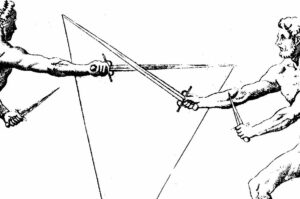
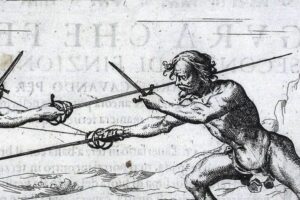
Historical rapiers evolved significantly from the early 1500s through the 1700s. The weapons shown in Agrippa’s 1553 manual are shorter in blade, approximately one and a half arm lengths.
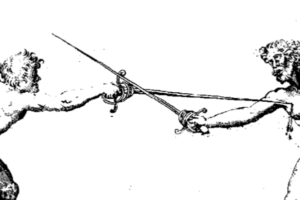
By the early 1600s - perhaps the peak of the Italian rapier era - masters like Capo Ferro, Giganti, and Fabris illustrated blades extending at least two arm lengths.
Weight variations were equally substantial. Some weapons weigh barely 2 pounds; others exceed 5. A comparative study by Fortner and Schrattenecker examined historical museum examples weighing between 2.5 and 3.5 pounds with balance points ranging from 3.7 to 6.1 inches from the hilt.
This diversity reflects different schools of thought, different purposes, and different physical builds among historical practitioners.
Selecting a Practice Rapier
I recommend choosing a weapon that matches your physical build and capability level. My preferred specifications:
Length: When the point touches the floor, the quillons (crossguard) should reach approximately your belly button. For most adults, this means 39-45 inches total length.
Weight: Between 2 and 4 pounds total. Lighter weapons are easier to learn with; heavier weapons develop strength but can cause fatigue and bad habits in beginners.
Balance Point: 2-5 inches from the hilt. A more forward balance makes the weapon feel heavier and slower; a balance closer to the hand gives more control but less authority in the bind.
Hilt Style: Complex designs with sweepings or rings provide hand protection essential for safe sparring.
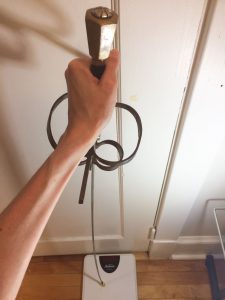
Flexibility: The blade should deflect 1-2 inches under 2 pounds of pressure. This provides safety in sparring while still allowing you to feel proper blade engagement.
Approved Makers
At Academie Duello, we’ve tested many manufacturers. Consistently reliable options include:
- Cas Iberia/Hanwei
- Darkwood Armory
- Del Tin Armi Antiche
- Castille Armory
- Marco Danelli
Historical Context
It’s worth noting that even in period, rapier length was controversial. In 1566, Elizabeth I issued a proclamation limiting rapier blade length to approximately 40 inches, reflecting political opposition to Continental dueling traditions.
The “correct” rapier length has been debated for over 450 years. Choose something that feels right in your hand, matches your training goals, and lets you learn without injury. You can always adjust as your skills develop.

About the Author
Devon Boorman
Founder & Director
Devon founded Academie Duello in 2004 and holds the rank of Maestro d'Armi. He has dedicated over two decades to researching and teaching Historical European Martial Arts.