Sword fighting is more than just a sport, it’s an art that blends physical skill, mental focus, and a deep connection to history. Whether you’re captivated by the elegance of longsword techniques or the strategic precision of rapier combat, beginning your journey in sword fighting is an exciting adventure. At Academie Duello in Vancouver, we welcome beginners of all levels to explore the fascinating world of historical martial arts.
Here’s what you need to know before picking up a sword for the first time.
1. Understand the Basics
Sword fighting isn’t just about swinging a blade, it’s a discipline that requires precision and control. Here are the fundamentals:
- Technique: Learn proper stances, footwork, and strikes.
- Control: Develop the ability to strike effectively without excessive force.
- Safety: Understand how to protect yourself and others during practice.
Mastering the basics ensures you build a strong foundation for advanced techniques. Sword fighting is as much about strategy and discipline as it is about physical strength.
2. Choose Your Discipline
At Academie Duello, we teach Duello Armizare, a martial art rooted in Italian traditions of the medieval and Renaissance eras. This art includes training with various weapons such as the longsword, rapier, spear, poleaxe, and dagger.
Here’s where many students begin:
- Longsword: A versatile, two-handed weapon known for its power and elegance.
- Rapier: A lighter, one-handed sword designed for speed and precision.
Your journey can start with the weapon that excites you most.
3. Invest in the Right Gear
Starting sword fighting doesn’t require a big upfront investment. At Academie Duello, we provide all the equipment you’ll need during our beginner programs. When you’re ready to invest in your own gear, here’s what to consider:
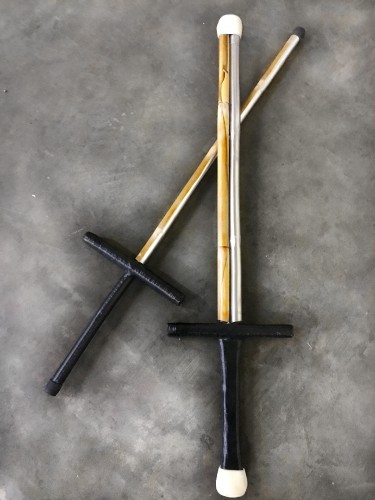
- Practice Swords: Wooden or synthetic swords are affordable and perfect for learning the basics. Steel swords for sparring come in various styles, and our shop can help you choose the right one.
- Basic Protective Gear: Start with a fencing mask, throat protector (gorget), and gloves. As you progress, you can add padded jackets and gauntlets.
- Comfortable Attire: Wear flexible, breathable clothing and shoes that offer protection and mobility, such as wrestling or barefoot running shoes.
As your skills grow, you can slowly upgrade to more advanced gear designed for your discipline.
4. Be Ready to Learn and Practice
Sword fighting is a skill that takes time and dedication to master. Here’s what to expect:
- Structured Lessons: Instructors will guide you through techniques, drills, and sparring sessions.
- Physical Fitness: Sword fighting improves strength, agility, and endurance. Be prepared for a unique full-body workout.
- Mental Focus: Success requires concentration and quick decision-making, helping you stay calm and strategic under pressure.
Regular practice is essential to building confidence and improving your skills.
5. Connect with History and Community
Sword fighting isn’t just a sport, it’s a connection to the past. At Academie Duello, we teach Duello Armizare, a martial art based on techniques used in medieval battles and Renaissance duels. As you learn, you’ll uncover the rich stories and traditions behind these techniques.
You’ll also become part of a welcoming community. At Academie Duello, we’re passionate about fostering camaraderie among students. You’ll meet people who share your interests and can support your journey.
Want to learn more? Visit our Duello Armizare page to learn more about our arts.
6. Start with a Reputable School
Choosing the right school is key to a successful sword fighting experience. Look for one that:
- Offers Beginner-Friendly Classes: Learn at a comfortable pace designed for newcomers.
- Has Experienced Instructors: Skilled teachers provide guidance and personalized feedback.
- Prioritizes Safety: Proper instruction and an emphasis on safety are essential.
At Academie Duello, we pride ourselves on creating a supportive environment for students of all levels. Our experienced instructors are here to help you succeed, whether you’re learning for fun or aiming to compete.
Ready to Begin Your Sword Fighting Journey? Get Started at Academie Duello
Sword fighting is a rewarding pursuit that challenges your body and mind while immersing you in history. With the right mindset, gear, and guidance, you’ll be well on your way to mastering this timeless art.
At Academie Duello - Centre for Swordplay in Vancouver, we offer a range of classes to help you get started. Visit our Beginner Courses to learn more about our in-depth courses or book a 1-2 hour sword fighting adventure with your friends or colleagues. Unleash your inner warrior and start your adventure today!

About the Author
Quintin Tanseco
Adventure Guide
Quintin brings infectious enthusiasm to every adventure session, specializing in axe throwing and archery instruction.