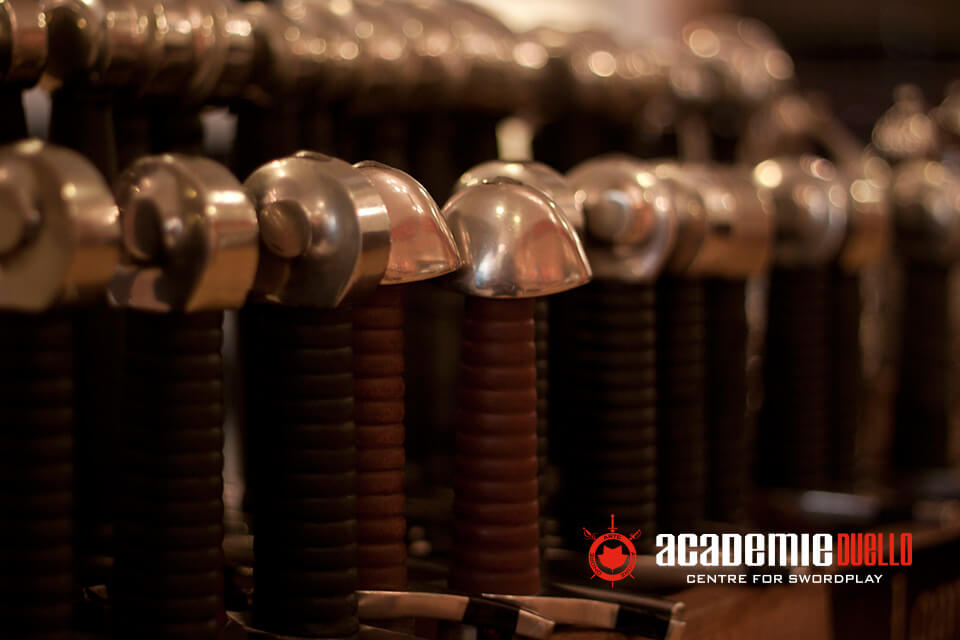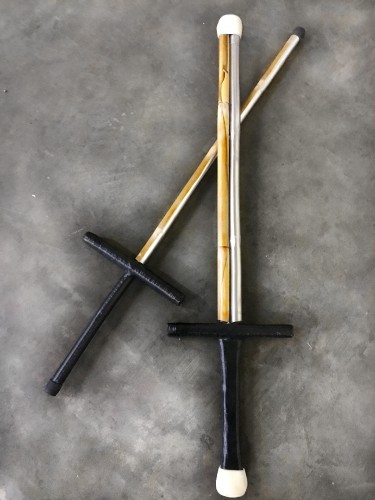
I prefer two sparring approaches: light protective gear (jacket, padded gloves, gorget, mask) or full plate harness. Both connect practitioners to traditional martial arts practice as depicted in medieval and Renaissance fighting manuals.
Historical Context
Pietro Monte’s 1509 manual critiques unarmored dueling as trendy yet notes it is more equitable and courageous. Fiore dei Liberi’s 1409 treatise describes fighting “with sharp swords, in an arming coat and with no other defensive weapon” beyond chamois gloves - suggesting mastery requires minimal equipment.
These masters understood something important: how you train shapes how you fight.
The Problem with Heavy Gear
I call it “Robocop Fencing” - wearing extensive protective equipment while pretending to fence unarmored. This creates cognitive dissonance.
Practitioners feel impervious to strikes that would disable an unarmored opponent. This feeling encourages reckless aggression. Double hits and tie-ups become common because when you’re armoured like a tank, you’re inclined to fight like one.
The gear lies to your nervous system. Your body doesn’t learn to respect threats it can’t feel.
Advantages of Light Gear Training
Light equipment demands precision, intention, and care. Practitioners train with constant awareness of the weapon’s deadliness, mirroring knife training principles.
This maintains the martial connection in the art rather than relying on protective gear for safety. Every movement carries weight because the consequences of failure remain present in your awareness.
You can’t afford to trade blows when a single hit matters.
Balancing Methods
I acknowledge trade-offs. Light gear might prevent striking with full force for safety reasons, potentially distorting understanding of blade power. Heavy gear enables exploration of speed and power that light gear can’t safely allow.
But heavy gear risks false security. I’ve witnessed broken hands, damaged masks, and concussions from overconfidence in equipment. Gear protects, but it doesn’t make you invincible.
Historical Perspectives
Angelo Viggiani advocates sharp swords to maintain weapon respect. Antonio Manciolino argues blunt swords prevent fear-based practice. Both aimed students toward connection with martial effectiveness - they just disagreed on the method.
The Point
There’s no one true way to spar. Practitioners should choose methods matching personal goals, ensuring safety while maintaining long-term engagement with effective, enjoyable training.
But whatever method you choose, ensure it respects the weapon’s reality. The sword is not a toy. Your training should remember that.

About the Author
Devon Boorman
Founder & Director
Devon founded Academie Duello in 2004 and holds the rank of Maestro d'Armi. He has dedicated over two decades to researching and teaching Historical European Martial Arts.