
Rapier
The elegant duelling weapon of the Renaissance
The rapier is the iconic weapon of the Renaissance duellist. With its long, slender blade and complex hilt, it represents the pinnacle of civilian sword design—a weapon crafted specifically for personal combat and the art of the duel.
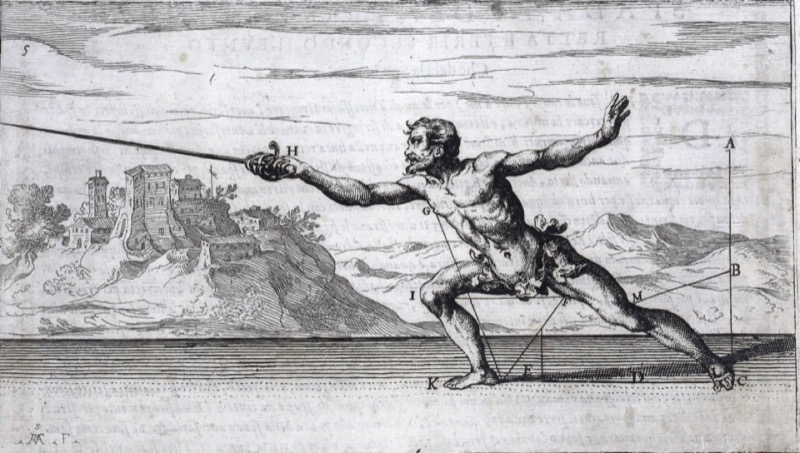
Anatomy of the Weapon
Understanding the rapier's unique design
The rapier is a single-handed sword distinguished by its complex hilt designed to protect the hand. The blade is long and slender, optimized for thrusting while still capable of cutting.
The blade typically ranges from 100 to 130 centimeters in length, with a strong taper toward the point. This design makes the rapier exceptionally nimble for point work while maintaining enough mass at the forte for defensive actions.
Key Components
- Ricasso: Unsharpened section near the guard for finger placement
- Guard Rings: Protect the hand from sliding attacks
- Knuckle Bow: Curved bar protecting the fingers
- Quillons: Cross-guard extending from the hilt
- Pommel: Counterweight at the end of the grip
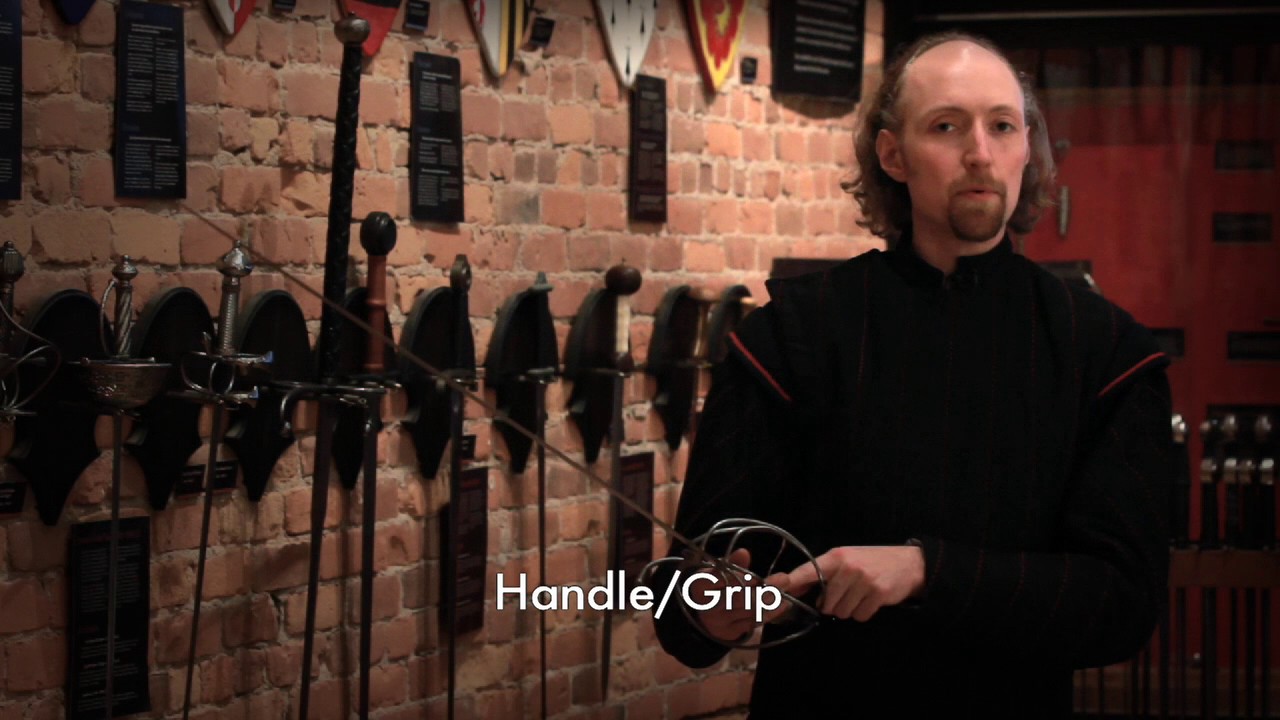
Watch: Anatomy of the Rapier
Learn about the blade, hilt, guard, and other components that make this weapon unique.
Nature of the Art
The philosophy and technique of rapier combat
Rapier combat emphasizes the thrust over the cut. The weapon's design—with its long, narrow blade and pointed tip—makes it ideal for delivering precise, penetrating attacks while maintaining distance from the opponent.
Precision
Every action is calculated. The rapierist seeks to control the centerline and deliver attacks with surgical accuracy.
Defense in Offense
The rapier's length and complex hilt allow for simultaneous attack and defense—striking while closing the line.
Tempo
Mastery of timing is essential. The rapierist learns to strike in the opponent's tempo while denying them opportunities.
While the thrust is primary, the rapier is still capable of effective cuts. Italian masters taught a complete system that includes drawing cuts, rising cuts, and the use of the off-hand or companion weapons like the dagger or cloak.
History
The evolution of the duelling sword
The rapier emerged in 15th-century Spain as civilians began carrying swords not for war, but for personal defense and the resolution of disputes of honor. These early "espadas roperas" (dress swords) were lighter and longer than military weapons, designed for unarmored combat.
By the 16th century, Italian masters had developed sophisticated systems for rapier combat. Masters like Camillo Agrippa, Ridolfo Capoferro, and Salvator Fabris codified the art in influential treatises that spread throughout Europe. Their works emphasized geometry, distance, and the science of defense.
At Academie Duello, we draw primarily from the Italian tradition, particularly the works of Ridolfo Capoferro (1610) and Salvator Fabris (1606). These masters represent the height of Italian rapier fencing, combining elegant technique with practical effectiveness.
Our Primary Sources
Ridolfo Capoferro
Gran Simulacro dell'Arte e dell'Uso della Scherma (1610)
Known for his extended lunge and emphasis on single-tempo attacks.
Salvator Fabris
De lo Schermo overo Scienza d'Arme (1606)
Comprehensive treatise covering rapier alone and with companion weapons.
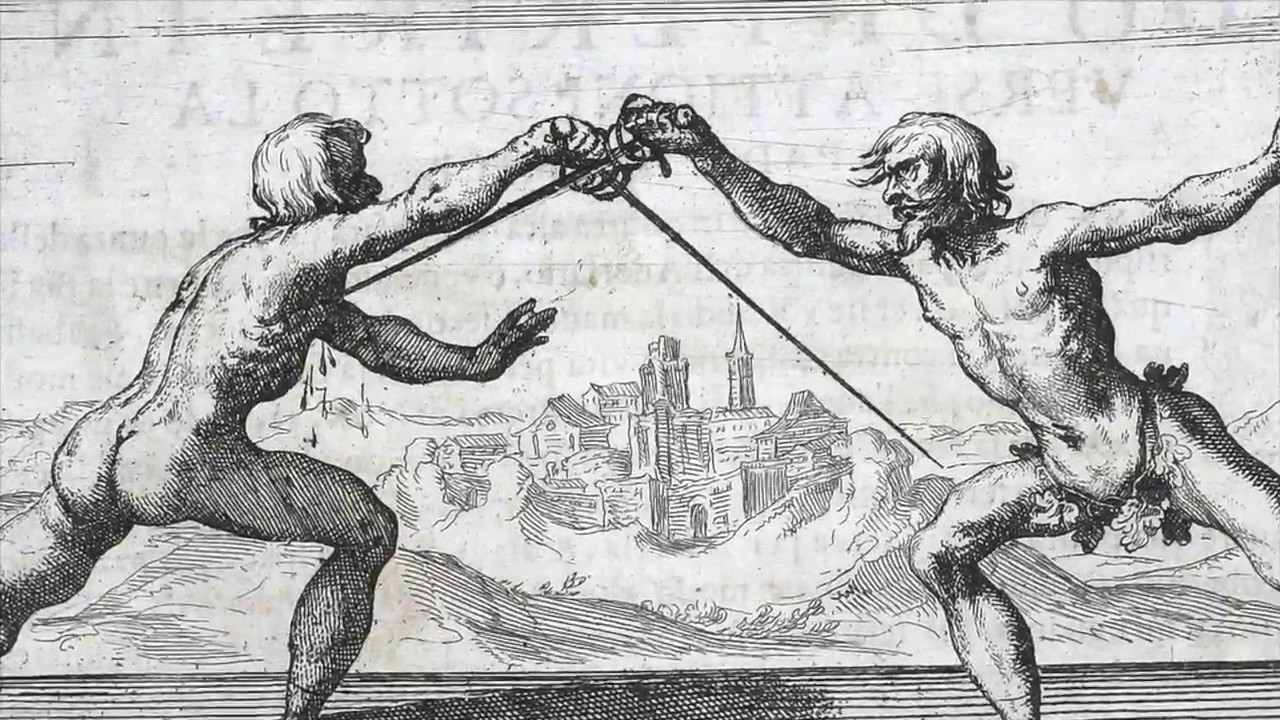
Watch: History of the Rapier
Explore the development from Spanish origins to Italian mastery.
Begin Your Rapier Journey
Our rapier program takes you from complete beginner to skilled swordsman through structured courses and ongoing practice.